

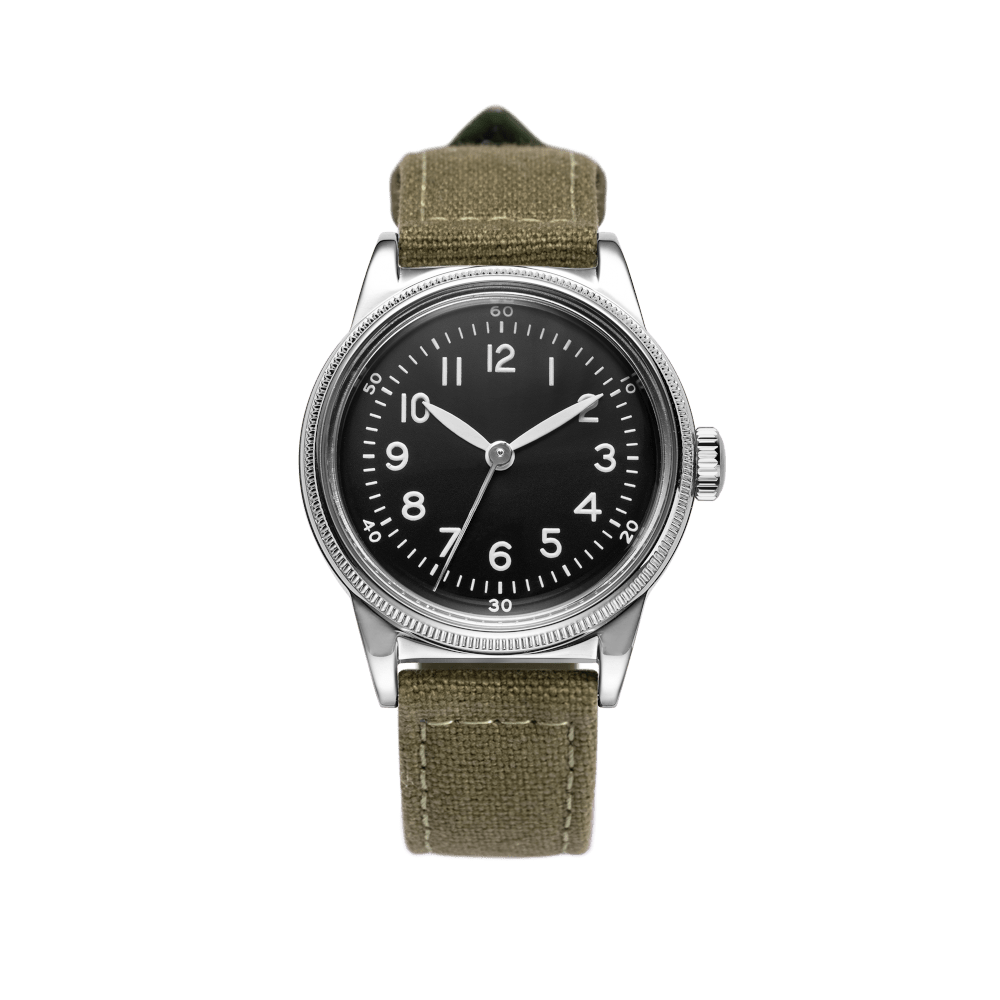
Our Type 44 started as a 38mm watch project. Then we bought an original A-11 field watch from World War II, dated 1944, and its compact proportions changed the project. A 32mm version joined the plan. The acrylic crystal and winding the watch by hand mattered too: they were part of getting close to the object that had caught our attention. We tell the development story in our original Type 44 Log Book entry.
That is one reason to explore microbrand watches. You can find a watch built around a particular fascination, rather than a design meant to please everybody. Our A-11 Type 44 collection is one example. But how do you judge a watch from a name you haven't bought before? Start with what it is, how it will fit into your day and who will help you look after it.
What is a microbrand watch?
A microbrand watch comes from a smaller watch company, usually with a focused range and a substantial part of its business online. These brands often work with specialist suppliers for movements and other components, bringing those parts together around their own designs.
The term is loosely used. There isn't a single agreed cutoff for annual production, price or employee count. Some enthusiast communities apply quite specific rules; others use it more broadly. Treat it as a way to discover watches, not a quality certification.
It also doesn't tell you where a watch was made. Design, component manufacture and assembly are different activities. A brand can design its watch in one country, use a movement from another and assemble it somewhere else. Read the description of the actual model rather than filling in those details from the company's address.
Why look beyond the familiar names?
The appeal is often a detail that someone cared enough to pursue. A smaller case. An unusual dial construction. A particular period of watch design that deserves more than a passing reference.
Small-scale appeal doesn't automatically mean a lower price, better finishing or more personal service. Those are things to judge separately. A watch can have an excellent idea behind it and still be the wrong purchase for you.

How to judge a microbrand watch before buying
Find the detail that earns your interest
Start with the watch itself. If the description promises a historical connection, look for an explanation of what was carried into the design. If it promises unusual construction, look for photographs that show it.
Our Higgins Blue is a useful example. Sand collected from Utah Beach sits beneath a coastline-shaped opening in the upper dial. The landing beaches are marked across it. You can see how the material and the design work together, rather than having to take the entire story on a slogan.
Close-up photographs should help answer ordinary questions too. Can you distinguish the hands from the dial? Can you see the case from the side? Are there wrist photographs as well as straight-on product shots? A handsome front view tells you very little about how much watch sits above your wrist.

Check fit beyond the diameter
Case diameter is a starting point. Lug-to-lug length, thickness and the strap also affect how a watch sits. The lugs are the extensions that hold the strap; their span helps explain why two watches with the same diameter can fit differently.
Compare the measurements with a watch you already own. If that watch feels too long across your wrist, buying another with a similar lug-to-lug measurement is unlikely to solve the problem just because its dial is smaller.
Our watch size guide goes further into that comparison. A wrist photograph is useful context, but the wearer's wrist size and the camera angle can change your impression. Dimensions give you a second way to judge.
Choose a movement you want to live with
A hand-wound watch asks you to wind it. An automatic winds through wrist movement, although it can stop when left unworn long enough. A quartz watch runs from a battery. Those differences matter more to everyday ownership than collecting movement names in a specification table.
If you rotate several watches and want to pick one up with little preparation, quartz is worth considering. If you enjoy the routine of winding, a manual movement can be part of the attraction. There is no need to buy the more complicated option when the simpler one suits you better.
Look for the movement's identity and ask how servicing is handled. A recognizable movement can be helpful, but it doesn't answer every repair question. A replacement crystal, crown or specially shaped dial still has to fit that particular watch.
Read the ownership details before checkout
Find the warranty terms, return conditions and service contact. Look beyond the number of years: what is covered, who authorizes a repair and who pays to send the watch back?
For Praesidus, our two-year warranty page sets out coverage for manufacturing defects in the movement, hands and dial, along with exclusions and the claim process. Contact our team before sending a watch for repair. The FAQ also explains return conditions, including the requirement that returned watches be unworn.
For any brand, establish whether the watch is ready to ship or a preorder, and read the delivery information for your destination. If a question would change your decision, ask it before ordering. A concrete question about your chosen watch is more useful than asking whether the brand is “good.”
Judge value at the price you will pay
Compare the complete purchase: watch, chosen strap, delivery and any taxes or duties shown for your destination. A bracelet version may cost more than the same watch on canvas. That doesn't necessarily mean the watch head has changed.
Decide what the extra money buys you. It might be a dial construction you haven't found elsewhere, a size that fits better or a movement you prefer using. Don't assign value to a feature you won't notice or use simply because it sounds impressive.
Owner reviews can add useful detail, particularly photographs and accounts written after months of wear. Look for specifics about fit, operation and the handling of an actual service request. A launch announcement and a long-term ownership report answer different questions.
Two ways to explore Praesidus
The A-11 Type 44 White is the place to start if the original A-11's restrained dial is what appeals to you. White hands and markings stand against the black dial. The linked 38mm version on Green Canvas is $555, with a Swiss manual-wind movement and an acrylic crystal. The uncluttered face is easy to appreciate at a glance; winding it gives you a reason to take the watch in hand before putting it on.
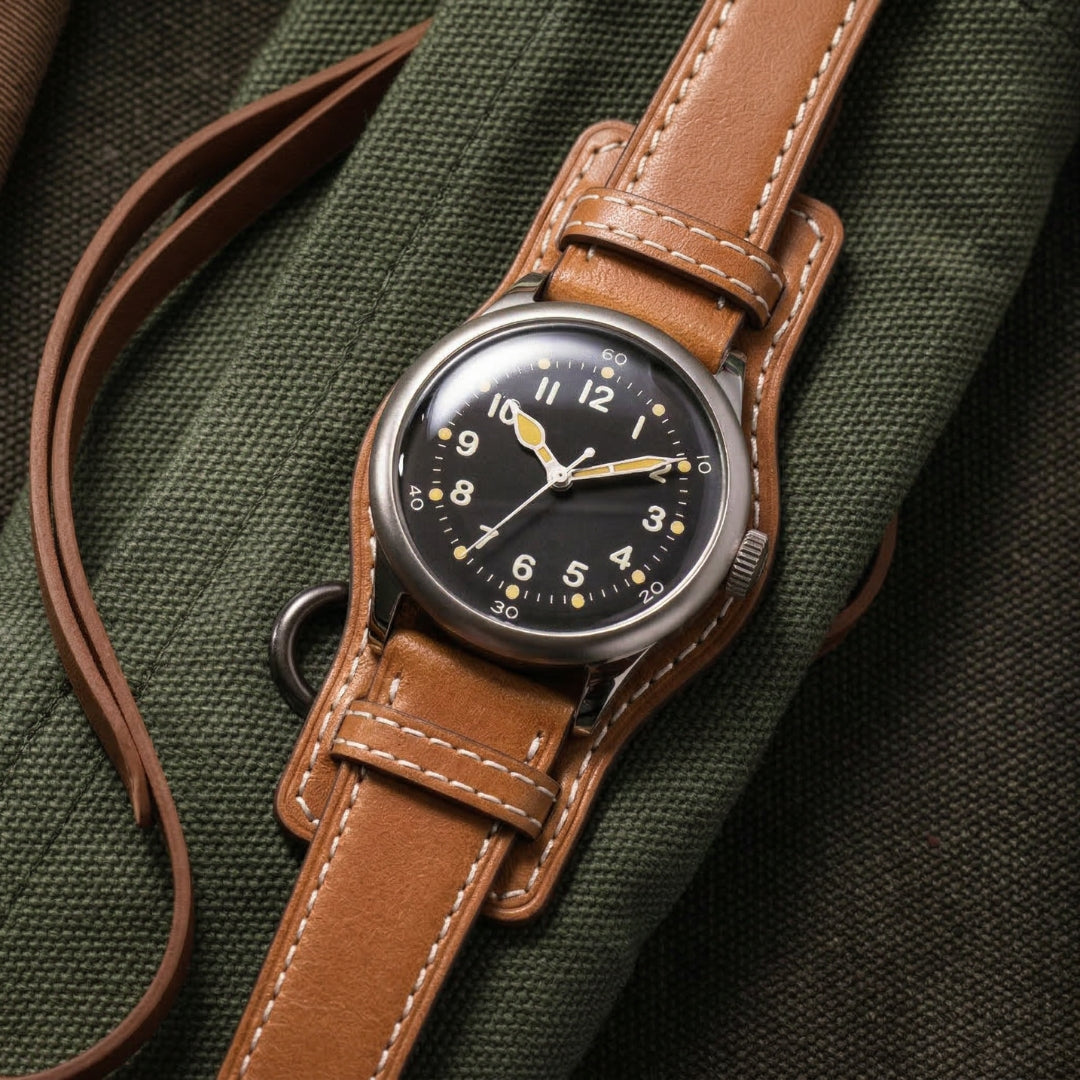
The A-11 Utah Beach Sand MK2 in Higgins Blue takes a different approach. Its interest is in the dial's construction and the place its sand comes from. It uses an automatic movement, which winds as you wear it. On Sand Leather it is $495. The coastline opening and beach names give you something to look at closely, making it a more expressive choice for someone drawn to the Normandy landings. Both prices are in US dollars.
Choose the Type 44 for the compact field-watch design and hand winding. Choose Higgins Blue if the sand and map-like dial are what keep bringing you back to the photograph.
Microbrand watch questions
Are microbrand watches good quality?
They can be, but the label alone doesn't establish quality. Assess the specific watch: clear specifications, useful photographs, fit, owner reports and after-sales support. A distinctive design is a reason to investigate further. It isn't a substitute for knowing what you are buying and how repairs will be handled.
Are all microbrand watches mechanical?
No. A small watch brand can offer quartz, automatic or hand-wound watches. Choose the type that suits how you wear a watch. Quartz offers battery-powered convenience, while mechanical watches run from a wound mainspring. An automatic uses wrist movement to wind that spring; a manual watch needs winding by hand.
Does a microbrand make every component itself?
Not necessarily. Many work with specialist component and movement suppliers. Designing a watch, manufacturing its parts and assembling it are separate jobs. Look for clear information about the exact model. A country's name in a brand story does not, by itself, establish where every part of its watches was produced.
What should I check before buying my first microbrand watch?
Check the case measurements, movement, photographs of the actual model, delivery status, return conditions and warranty coverage. Compare the dimensions with a watch you know fits. Then ask yourself which feature makes this watch worth choosing. If a missing answer could change your purchase, contact the brand before ordering.

Leave a comment
This site is protected by hCaptcha and the hCaptcha Privacy Policy and Terms of Service apply.